Why LA's Iconic Hot Dog Stands Still Capture Attention
Los Angeles is home to some of America's most recognizable roadside restaurants, and few are as memorable as its iconic hot dog stands. Long before eye-catching storefronts and social media, these buildings attracted attention with bold architecture that signaled exactly what was being served inside.
From oversized roadside landmarks to neighborhood walk-up counters, these stands helped shape LA's casual dining culture.
This blog explores why hot dog-shaped buildings became iconic, what makes their design so memorable, and how Tail O' The Pup continues that legacy today.
Why Hot Dog-Shaped Buildings Became LA Landmarks
Roadside architecture in Los Angeles grew alongside the rise of car culture. Restaurant owners needed a way to grab the attention of passing drivers, so many designed buildings that looked like the food they served. A hot dog-shaped stand advertised itself without needing elaborate signs or slogans.
This architectural style, known as programmatic architecture, became a defining part of Southern California's roadside landscape. People could instantly recognize what was inside, making these buildings memorable long before they became local landmarks.
That simplicity still defines the appeal of an iconic hot dog stand in Los Angeles today.
The Architecture Behind Iconic Roadside Stands
Vintage roadside stands relied on bold shapes instead of oversized billboards. Bright colors, playful designs, and recognizable silhouettes made them impossible to miss.
Despite their compact footprint, these stands created a memorable experience. Walk-up windows encouraged quick service, while the open layout made guests feel connected to the cooking process. That straightforward design perfectly matched the simple comfort food being served.
Today, these buildings remain some of the best examples of programmatic architecture in California, blending history with everyday dining.
How Architecture Shapes the Dining Experience
A memorable building changes how people experience a meal. Instead of walking into another restaurant, you're visiting a place that has become part of the neighborhood's identity.
Ordering from a walk-up window, watching food prepared fresh, and enjoying it outdoors creates a relaxed experience that's difficult to replicate elsewhere. The familiar shape of the building, the smell of food on the grill, and the casual atmosphere all become part of the visit.
That combination of architecture and comfort food is one reason classic roadside stands continue attracting both locals and visitors.

Tail O' The Pup and LA's Programmatic Architecture
Tail O' The Pup has been part of West Hollywood's story since 1946. Its famous hot-dog-shaped building remains one of the best-known examples of programmatic architecture in Los Angeles. It continues to be recognized as an important piece of the city's roadside dining history.
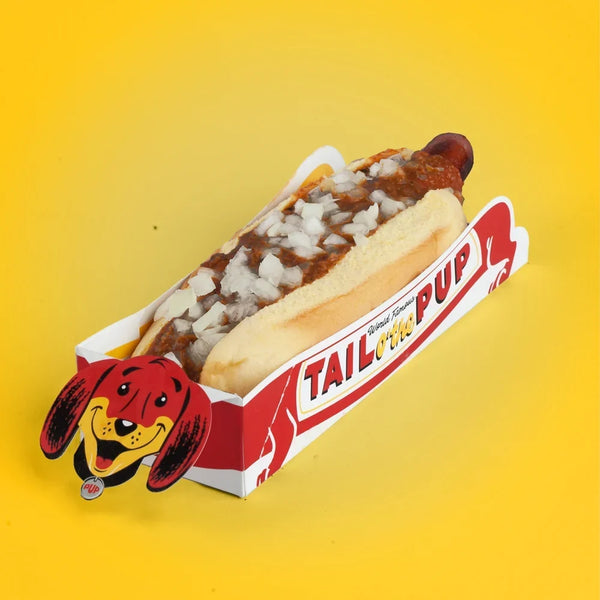
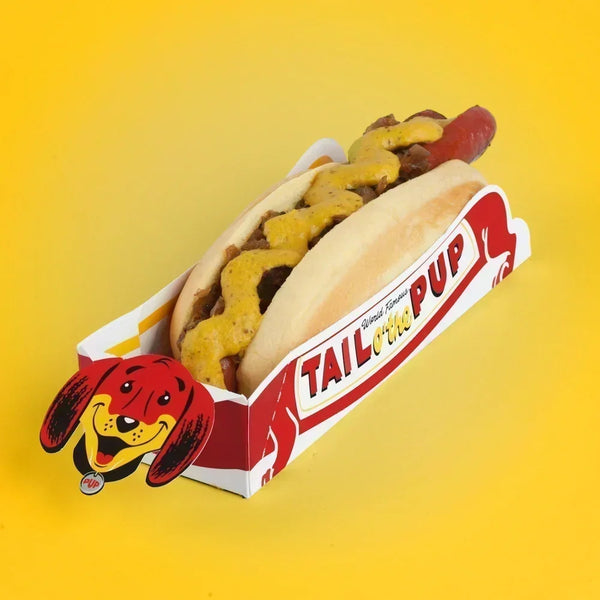
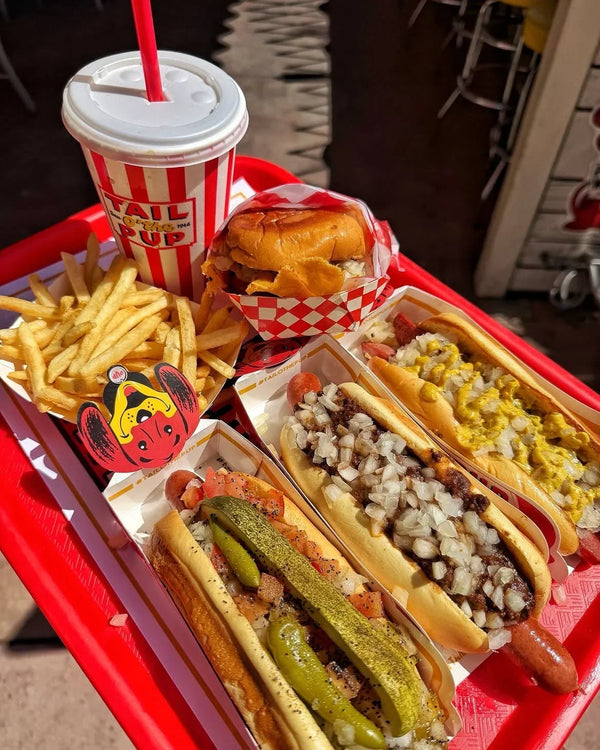
While the neighborhood has changed over the decades, Tail O' The Pup has stayed true to its roots. Guests still visit for its signature Pups, burgers, fries, shakes, and other classic American comfort food served from one of LA's most recognizable buildings.
Its combination of history, nostalgic design, and consistently satisfying food has made Tail O' The Pup one of the city's most enduring roadside landmarks.
Planning your visit? Browse Tail O' The Pup's menu before stopping by to explore signature Pups, burgers, vegan options, fries, corn dogs, shakes, and more.
What to Notice When You Visit
The building naturally grabs your attention first. Its playful design immediately tells you what it's all about before you even reach the counter.
Then comes the experience itself. The focused menu makes ordering easy, while the walk-up service keeps everything casual and approachable. Instead of overwhelming guests with endless choices, Tail O' The Pup focuses on consistently serving its signature menu.
The result is an experience that's as memorable as the building itself.

Why These Designs Still Matter Today
In a city filled with new restaurants, recognizable architecture still stands out. Buildings shaped like the food they serve remain instantly memorable, making them popular with both longtime Angelenos and first-time visitors.
They're also part of LA's cultural identity. Historic roadside stands preserve an architectural style that's increasingly rare, giving people the opportunity to experience a piece of the city's past while enjoying a great meal.
Tail O' The Pup continues to balance nostalgia with modern convenience, proving that timeless design never goes out of style.
FAQs
Where is Tail O' The Pup located?
Tail O' The Pup is located at 8152 Santa Monica Boulevard in West Hollywood, California, inside its iconic hot-dog-shaped stand.
What is programmatic architecture?
Programmatic architecture is a style of roadside architecture where a building is designed to resemble the product or service it offers. Tail O' The Pup is one of Southern California's best-known examples.
What does Tail O' The Pup serve?
The menu features signature Pups, burgers, vegan options, fries, vegan chili cheese fries, corn dogs, shakes, drinks, and other classic American comfort food.
Is Tail O' The Pup worth visiting for the architecture alone?
Absolutely. The building is one of LA's most photographed roadside landmarks, while the food has kept guests returning since 1946.
Experience One of LA's Most Iconic Roadside Landmarks
Some restaurants are remembered for their food. Others are remembered for their architecture. Tail O' The Pup has earned recognition for both.
Its iconic hot-dog-shaped stand continues to celebrate a unique chapter of Los Angeles history while serving the classic comfort food that has made it a neighborhood favorite for generations.
Stop by Tail O' The Pup in West Hollywood, experience one of LA's most iconic roadside landmarks, and enjoy a classic Pup for yourself.