Casual Dining Done Right: Why Simple Menus Create Loyal Customers
You can usually tell a good casual dining spot before you ever open the menu. There's a reason for that.
You remember the smell of grilled onions before you even park. The sound of something sizzling that tells you they're already making your order. The way that first bite tastes exactly like it did last month.
That's casual dining working the way it should.
This blog looks at why simple casual dining menus build trust, how focused menus encourage repeat visits, and why casual dining customer loyalty often starts before someone even places an order.
What Customers Actually Want From Casual Dining
Walk into any restaurant with a massive menu and watch what happens. People stare. They flip pages back and forth. They ask the server questions. They still look unsure when they order.
That's not relaxing. That's work.
Eating out should feel different. You walk in, you know what you want, you get it. No overthinking. No second-guessing.
The smell of chili simmering tells you you're in the right place. The sound of the grill scraping clean means fresh buns coming up. You already know how this ends: full, satisfied, ready to come back.
That predictability isn't boring. It's about reassurance. And trust is what turns a one-time visit into loyalty.
The Power of a Focused Menu
A hot dog menu doesn't need forty items. It needs a few things done right.
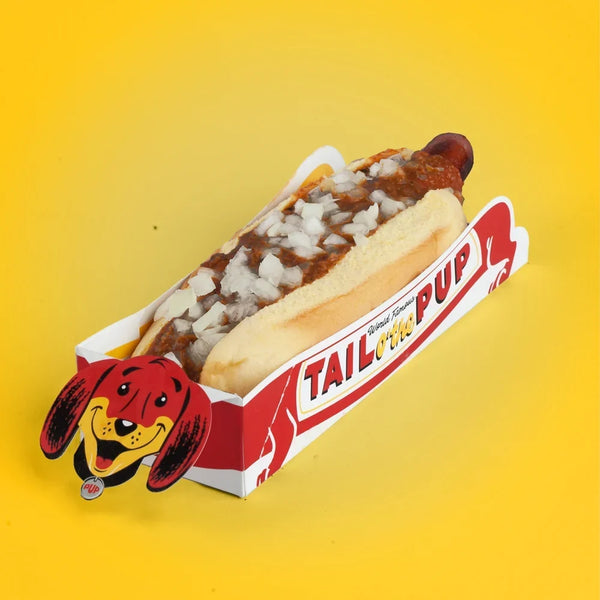
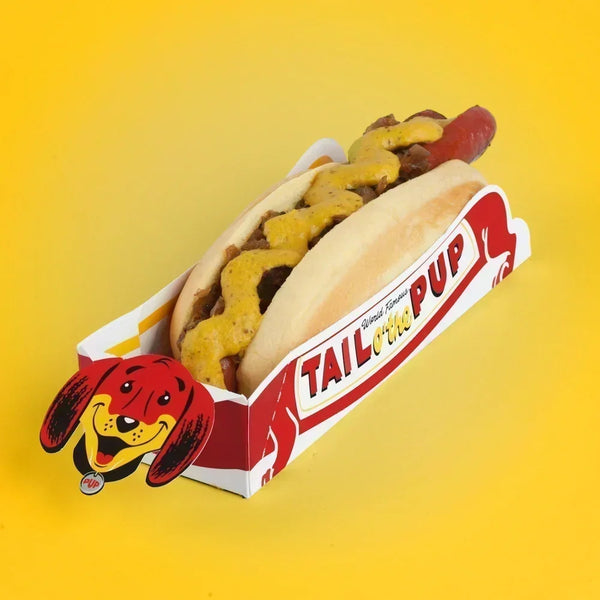
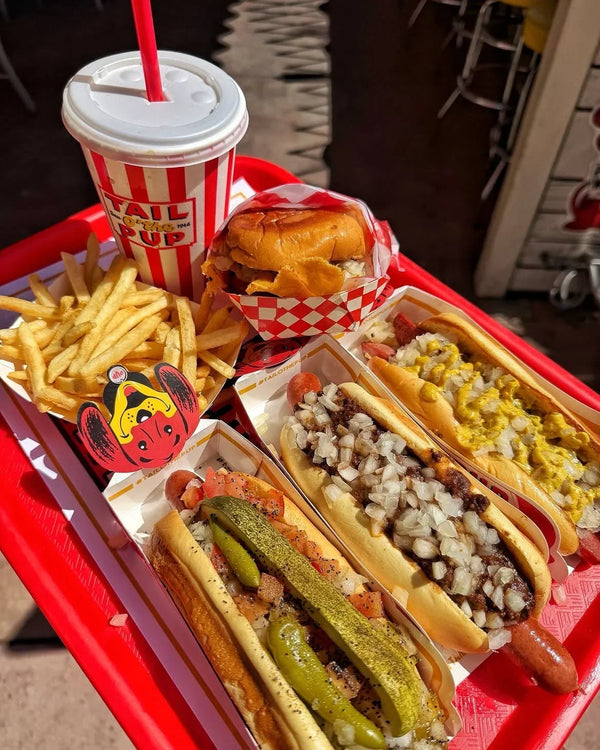
Take the menu at Tail O’ The Pup. You've got the 1946 Pup with grilled onions and mustard, the Chicago Pup with sport peppers and poppy seeds, a few burgers, fries, and shakes. That's it.
But listen to what happens when someone places an order. The sizzle as the dog hits the flat top. The pop of that first bite, which a reviewer described as having a "firm casing with a clean snap."
That consistency is the point.
Why Fewer Choices Feel Better
When the menu is clear, the decision is easy. You don't stand there wondering what to order. You already know. That confidence comes from simple, casual dining menus that remove friction rather than add it.
When a menu is focused, every item earns its place, and customers feel that care in every bite.
Simplicity Builds Confidence for Guests and Kitchens

When a kitchen focuses on fewer items, those items get better. The grill cook knows exactly how long each dog needs. The buns come off the toaster at the same temperature every time.
That repetition matters. It's why our hot dogs taste the same today as they did last year. Same snap. Same char. Same mustard cutting through the richness.
Historically, hot dogs have always been about consistency over complication. Simple preparations that leave little room for error.
For customers, that means confidence. You order without hesitation because you know what's coming. No surprises. No disappointment. Just good food that delivers every time.
Familiar Foods Create Emotional Loyalty
Think about the meals you remember most. Chances are, they weren't complicated.
A hot dog at a ballgame. A burger after a long day. Fries shared with someone you haven't seen in years.
Classic hot dog menu ideas connect to memory as much as hunger. Summer afternoons. Late nights. Places you went without thinking twice.
When a Menu Feels Familiar Before You Order
You don't need to read descriptions. You don't need explanations. You already know what a hot dog tastes like and what a burger should feel like in your hands.
That familiarity removes the risk of trying something new and being disappointed. You're not experimenting. You're returning to something that's never let you down.
Why Simple Menus Age Better Than Trend-Driven Ones
Remember cronuts? Rainbow bagels? Novelty-driven food trends?
Yes. Most of us don't either. Trends burn bright, then fade.
A classic hot dog menu doesn't chase trends. It lasts. The 1946 Pup has been around since 1946. The Chicago Pup has outlived countless food trends.
That's why small menus work in the long term. They're not chasing attention. They're just doing what they've always done. No gimmicks. No surprises. Just food that doesn't need to explain itself. Places that last usually know exactly who they are, and stick to it.
How Simple Menus Encourage Repeat Visits
Have you ever noticed how some places just become part of your routine without you deciding they would?
You're driving home when you suddenly pull into the same lot again. You didn't plan it. It just happened.
That's what focused menus do. They remove decision-making, so your instincts take over. The hot dog tastes the same as it did last time. The fries are still hot. The experience hasn’t changed.
Flip through our photo gallery sometime, and you'll see the same scene repeating for decades. Different faces, same comfortable rhythm.
When the craving hits, ordering from a trusted place you already know just makes sense, especially when the menu never changes.

FAQs: Casual Dining and Menu Simplicity
Why do small menus often perform better in casual dining?
Fewer options mean better execution. The kitchen masters a handful of items instead of fumbling through forty.
Does a simple menu limit creativity?
Creativity isn't about how many weird ingredients you can stack. It's about perfecting the classics. A well-made Chicago Pup beats an experimental mess every time.
How does menu focus affect customer loyalty?
You return to places that never disappoint. That's true customer loyalty in a nutshell.
Are classic menus still relevant today?
Look around any classic hot dog stand at lunch. That's your answer. Some things don't need reinventing.
Why Doing a Few Things Well Always Wins
Fifty items done okay, or five items done perfectly. You already know the answer.
That’s why we’ve stuck with the classics. The 1946 Pup with grilled onions and mustard. The Chicago Pup with sport peppers. Burgers that taste like burgers should.
Nothing on the menu needs explaining. Nothing tries too hard. It just works. That's what keeps people coming back.
See for yourself. We're at Tail O' The Pup, 8512 Santa Monica Blvd in West Hollywood whenever you’re nearby. Look for the building shaped like a hot dog. We're open Wednesday through Sunday.