Historic Hot Dog Stands in Los Angeles
Los Angeles has a long history of roadside food, and hot dog stands are part of it. Some became neighborhood favorites, while others became recognizable landmarks because of their unusual designs.
Historic hot dogs offer more than a quick meal. The stand, the setting, and the story behind it all add to the experience.
Here's a look at what made these places memorable, why vintage stands still matter, and where Tail O' The Pup fits into LA's food history.
Why Hot Dog Stands Became LA Landmarks
Hot dog stands fit naturally into Los Angeles' fast-moving, car-centered lifestyle. They offered quick, familiar food without the formality of a traditional restaurant.
Some stands went further by turning their buildings into eye-catching roadside attractions. That combination of food and design helped make them part of the city's identity.
What Makes a Stand Historic?
A long history helps, but it is only part of the story.
Programmatic architecture, where a building resembles the product it sells, gave some LA food stands an unmistakable look. A giant hot dog can serve as both a landmark and a sign.
The food matters just as much. Simple menus, recognizable flavors, and casual service give people a reason to return long after the novelty of the building wears off.
Tail O' The Pup's Place in LA History
Tail O' The Pup dates back to 1946 and is known for its giant hot-dog-shaped structure. The building became a notable example of Los Angeles programmatic architecture and one of the city's recognizable roadside designs.
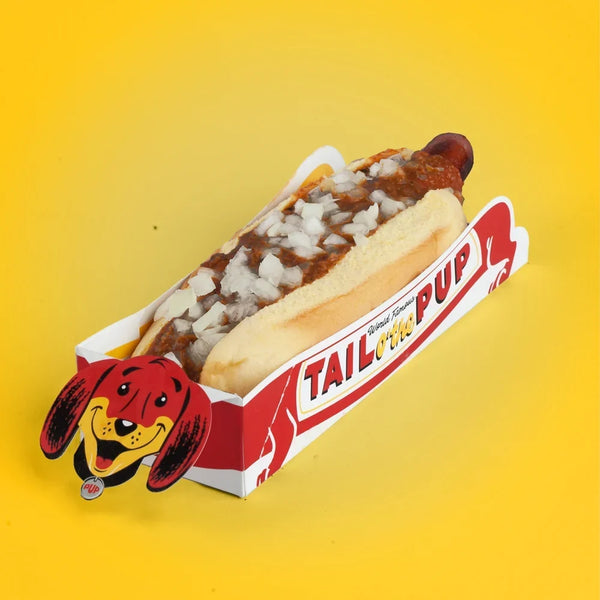
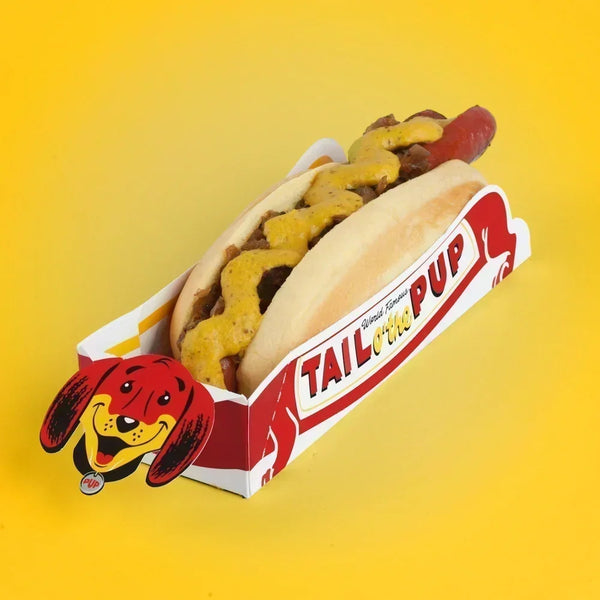
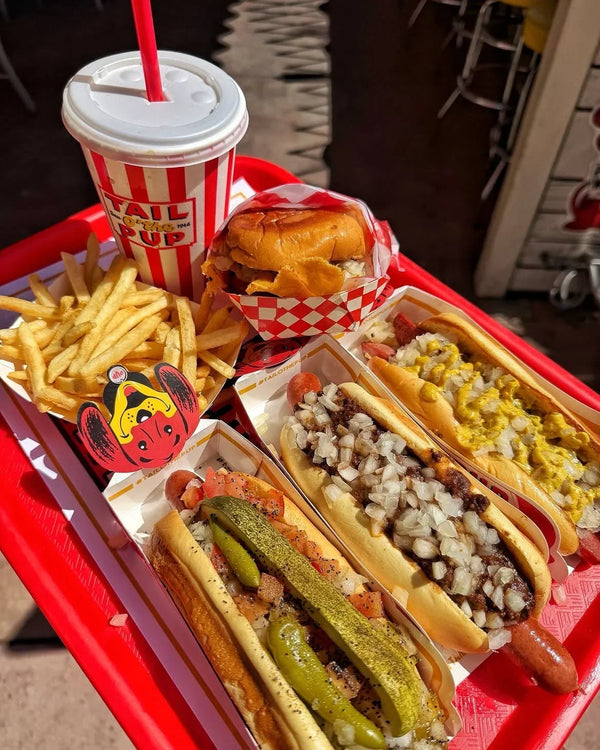
After being moved and restored, the stand returned to Los Angeles and now operates in West Hollywood. Visitors can experience the landmark while ordering menu items like Pups, burgers, fries, corn dogs, shakes, drinks, and other classic favorites.

Why Vintage Stands Still Attract Visitors
Modern LA has no shortage of new places to eat, but classic stands offer something different. The setting gives you a connection to the city's past while the food keeps the experience casual.
For visitors exploring iconic LA food, these spots can also make interesting stops between other attractions. You get a meal and a little local history in the same visit.
How to Experience a Historic Hot Dog Stand
Start by taking in the building. Look at the details that make the stand different from a standard restaurant.
Then keep your order simple. A Pup with fries and a drink lets you focus on the food while experiencing the setting that made the stand memorable in the first place.
What Makes Retro Dining Worth Trying?
Retro dining is not only about nostalgia. It is about experiencing places that have a strong sense of identity.
A distinctive building, a focused menu, and a casual atmosphere can make an otherwise quick meal feel like part of your LA itinerary.

FAQs
What is a historic hot dog stand?
It is a long-established hot dog stand with cultural, architectural, or local significance.
Why are hot dog stands important to LA?
They reflect the city's roadside food culture and its history of distinctive programmatic architecture.
Is Tail O' The Pup historic?
Yes. Tail O' The Pup dates back to 1946 and is known for its giant, hot-dog-shaped structure and its connection to LA's roadside architecture.
Can you eat at Tail O' The Pup?
Yes. The West Hollywood stand serves Pups, burgers, fries, corn dogs, shakes, drinks, and other menu favorites.
Why Historic Hot Dog Stands Still Matter
The best vintage stands offer more than just food. They preserve a recognizable piece of LA while still serving the kind of casual meal people have enjoyed for generations.
Tail O' The Pup brings food, architecture, and history together in one stop. If you're exploring LA's food culture, come down to the West Hollywood stand, order a Pup, and experience one of the city's most recognizable hot dog landmarks.